Hidden Health Risks of Refined Cooking Oils (Backed by Science)
Refined cooking oils may look clean but hide serious health risks. Learn how chemical processing affects your heart, digestion, and immunity — and what safer alternatives you should use instead.

Quick Summary: What You Should Know
Refined cooking oils are heavily processed using high heat and chemical solvents. This process destroys natural nutrients and may leave behind harmful residues. Regular consumption of refined oils can negatively affect heart health, digestion, immunity, and overall wellness. Traditional wood-pressed oils offer a safer, more natural alternative for everyday cooking.
Introduction: Why Refined Cooking Oils Are a Growing Health Concern
Cooking oil is one of the most frequently used ingredients in Indian kitchens. From breakfast to dinner, oil plays a role in almost every meal.
However, many commonly used cooking oils today are refined oils. These oils are processed to look clear, odorless, and uniform — but the refining process often removes beneficial nutrients and introduces hidden health concerns.
Understanding how refined oils are made and how they affect the body is essential for making healthier food choices.
How Refined Cooking Oils Are Made
Refined oils are produced using industrial processes designed to maximize extraction and shelf life rather than nutrition.
The process typically involves:
- Solvent extraction using chemicals such as hexane
- High-temperature treatment, often above 200°C
- Bleaching to remove natural color
- Deodorizing to eliminate natural aroma
While this makes the oil visually appealing, it strips away antioxidants, vitamins, and healthy fats. In some cases, trace chemical residues may remain in the oil.
5 Hidden Health Risks of Refined Cooking Oils
1. Increased Risk of Heart Problems
High-temperature processing can oxidize fats present in refined oils. Oxidized fats are linked to increased levels of bad cholesterol (LDL) and reduced levels of good cholesterol (HDL). Over time, this may contribute to heart-related issues.
Diets high in processed fats have been associated with long-term cardiovascular risks.
2. Digestive Discomfort and Poor Gut Health
Refined oils lack natural enzymes and antioxidants that support digestion. Many people experience bloating, acidity, or heaviness after consuming foods cooked in refined oils, especially when used daily.
The absence of natural compounds makes refined oils harder for the digestive system to process.
3. Increased Inflammation in the Body
Repeated heating and chemical treatment during refining can create compounds that promote inflammation. Chronic inflammation is linked to joint pain, fatigue, and various lifestyle-related conditions.
Reducing inflammatory foods, including refined oils, is often recommended for overall wellness.
4. Loss of Essential Nutrients
During refining, important nutrients such as Vitamin E, antioxidants, and beneficial fatty acids are destroyed. The oil may still provide calories but offers little nutritional value.
This loss can affect immunity, skin health, and the body’s ability to protect itself against oxidative stress.
5. Long-Term Impact on Immunity
Regular consumption of highly processed foods, including refined oils, may weaken the body’s natural defense system over time. A diet low in natural antioxidants and healthy fats can reduce the body’s ability to fight infections and stress.
Refined Oils vs Wood-Pressed Oils: Key Differences Explained
Extraction Method
Refined oils are extracted using chemical solvents and high heat.
Wood-pressed oils are extracted slowly using traditional wooden presses at low temperatures.
Processing Temperature
Refined oils are processed at very high temperatures.
Wood-pressed oils are extracted at low temperatures that preserve nutrients.
Chemical Usage
Refined oils may contain residues from solvents and additives.
Wood-pressed oils are free from chemicals and preservatives.
Nutrient Retention
Refined oils lose most natural nutrients during processing.
Wood-pressed oils retain vitamins, antioxidants, and healthy fats.
Taste and Aroma
Refined oils are neutral and artificially deodorized.
Wood-pressed oils have a natural aroma and authentic taste.
Overall Health Impact
Refined oils may pose long-term health risks when consumed regularly.
Wood-pressed oils support digestion, heart health, and overall wellness.
What Should You Use Instead?
Traditional dietary practices and modern nutrition experts recommend switching to wood-pressed oils for daily cooking.
Healthier alternatives include:
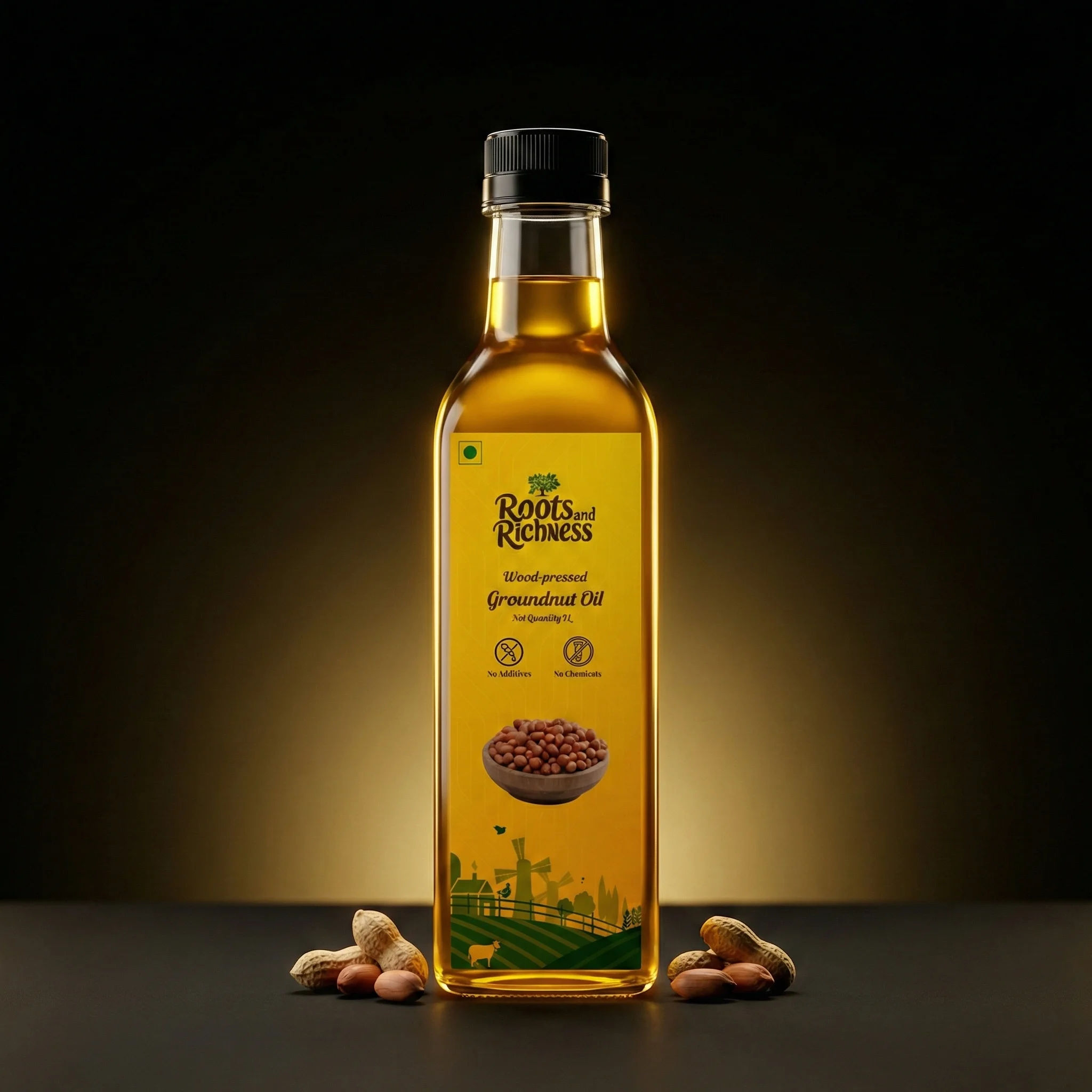
- Wood-pressed groundnut oil for everyday Indian meals
- Wood-pressed sesame oil for immunity and joint health
- Wood-pressed coconut oil for digestion and metabolism
These oils are extracted naturally, without chemicals, and retain essential nutrients.
How Switching Oils Can Improve Daily Health
Many people notice positive changes after switching from refined oils to wood-pressed oils, including:
- Improved digestion
- Less heaviness after meals
- Better energy levels
- Enhanced taste of food
- Improved long-term wellness
Small dietary changes, when practiced consistently, can have a significant impact on health.
Frequently Asked Questions
Are refined cooking oils harmful for daily use?
Refined oils are heavily processed and may pose health risks when consumed regularly over long periods.
What chemicals are used in refined oils?
Refined oils often involve solvents like hexane and undergo bleaching and deodorizing processes.
Is wood-pressed oil better than refined oil?
Yes. Wood-pressed oils retain natural nutrients and are free from chemical processing.
Which cooking oil is safest for Indian families?
Wood-pressed groundnut, sesame, and coconut oils are considered safer options.
Can refined oils cause digestion problems?
Yes. Many people experience bloating and acidity due to refined oils.
Which oil is best for heart health?
Oils rich in natural monounsaturated fats, such as wood-pressed groundnut oil, support heart health.
Conclusion: Choose Oils That Truly Nourish Your Body
Refined cooking oils may look convenient and modern, but convenience often comes at the cost of health. Understanding the hidden risks helps you make informed choices for your family.
Switching to Roots and Richness Wood-Pressed Oils is a simple yet powerful step toward cleaner eating, better digestion, and long-term wellness.
Your health begins in your kitchen.
Featured Products Mentioned in This Article
Experience the premium wood-pressed oils we discussed in this article. Each product is traditionally processed and sourced directly from farmers.