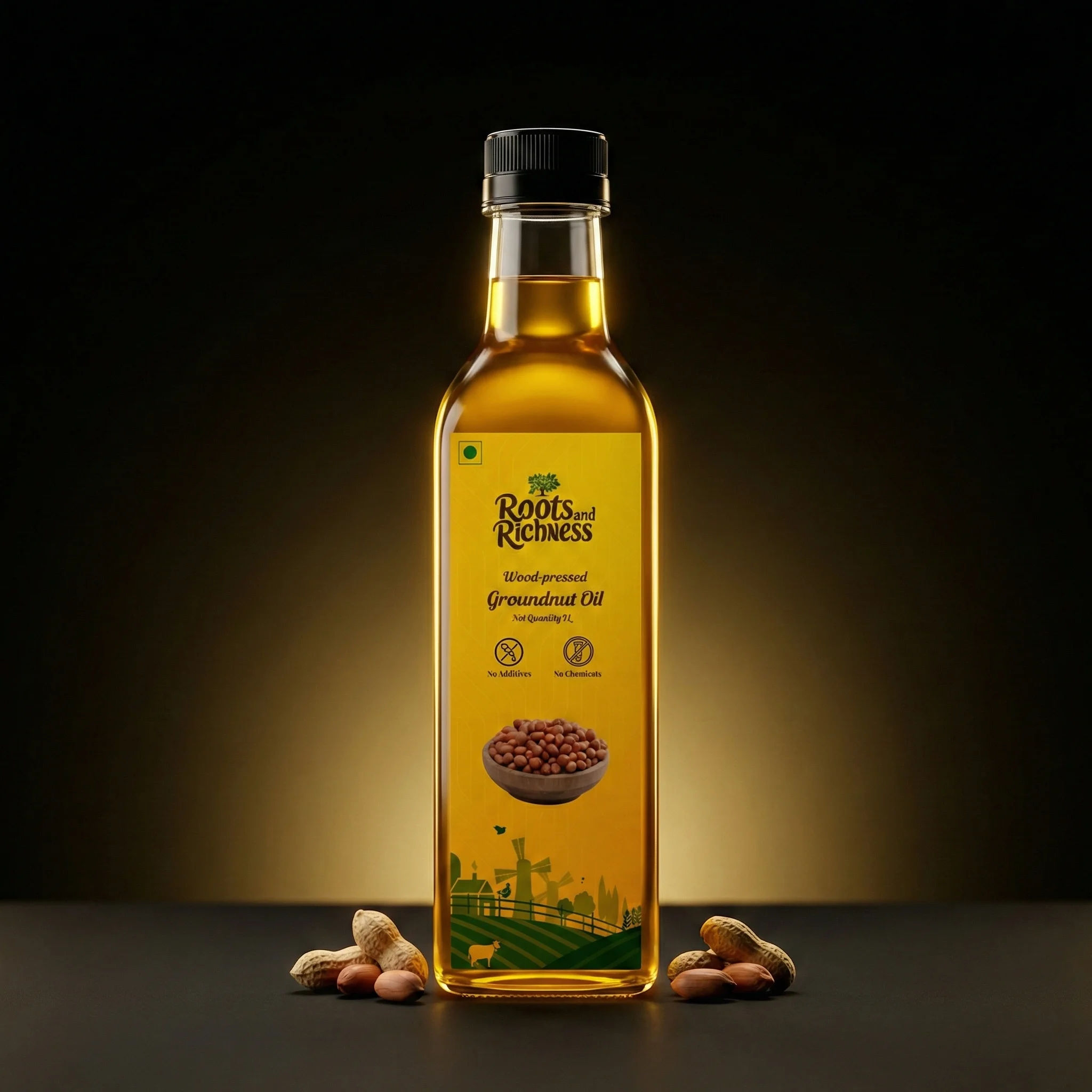
How to Store Wood-Pressed Oils to Prevent Rancidity
Learn how to store wood-pressed oils correctly to prevent rancidity. Simple tips to preserve freshness, aroma, and nutrition naturally.
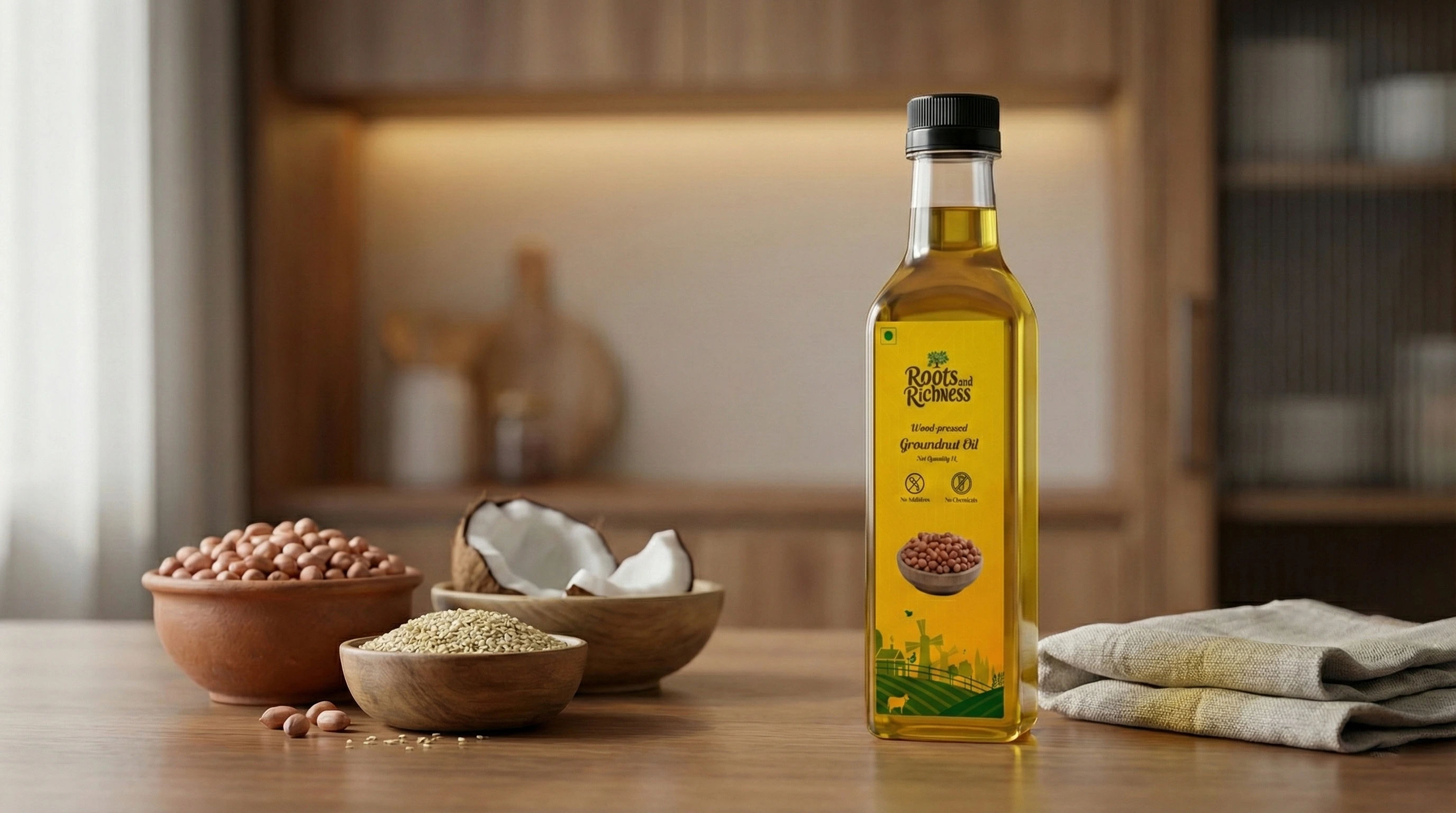
Introduction: Why Proper Storage Matters for Wood-Pressed Oils
Wood-pressed oils are valued for their purity, minimal processing, and natural nutritional profile. Unlike refined oils, they do not contain chemical preservatives or undergo heavy deodorization. This makes them healthier — but it also means they require proper storage to maintain freshness.
Many people assume oil spoilage happens only after expiry dates. In reality, improper storage is the main reason wood-pressed oils develop a strong smell, bitter taste, or rancidity.
This guide explains exactly how to store wood-pressed oils correctly, what mistakes to avoid, and how to identify signs of spoilage — so you get maximum value and health benefits from every bottle.
What Is Rancidity in Oils?
Rancidity occurs when oil reacts with:
- Oxygen
- Heat
- Light
This reaction causes oxidation, which leads to:
- Unpleasant smell
- Bitter or sour taste
- Loss of nutritional value
Because wood-pressed oils retain natural compounds and are not chemically stabilized, they are more sensitive to storage conditions than refined oils.
Why Wood-Pressed Oils Need Extra Care
Wood-pressed oils:
- Contain natural antioxidants
- Are minimally processed
- Do not include artificial stabilizers
These qualities make them healthier but also mean they should be treated like fresh food ingredients, not shelf-stable industrial products.
Proper storage preserves:
- Natural aroma
- Nutrient integrity
- Taste and cooking performance
The Right Way to Store Wood-Pressed Oils
1. Keep Oils Away from Direct Sunlight
Sunlight accelerates oxidation.
Best practice:
- Store oils in a dark cabinet or closed shelf
- Avoid placing bottles near windows or open kitchen counters
If possible, use oils stored in dark or opaque bottles.
2. Store in a Cool Place (But Not the Refrigerator)
Excess heat speeds up spoilage.
Ideal storage temperature:
- Cool, dry kitchen cabinet
- Away from stove, oven, or chimney
Refrigeration is not necessary for most wood-pressed oils and may cause natural cloudiness, which disappears at room temperature.
3. Always Close the Lid Tightly
Exposure to air introduces oxygen, which leads to oxidation.
Good habit:
- Close the cap immediately after use
- Avoid leaving bottles open during cooking
This small habit greatly extends freshness.
4. Use Clean, Dry Spoons Only
Moisture is a major cause of spoilage.
Avoid:
- Using wet spoons
- Pouring oil back into the bottle
- Letting water drip into the container
Water contamination can cause faster degradation.
5. Avoid Transferring Oil Too Often
Each transfer exposes oil to air and contaminants.
Best approach:
- Store oil in its original container
- If transferring, use clean, dry glass bottles
- Avoid plastic containers for long-term storage
How Long Do Wood-Pressed Oils Last?
Shelf life varies depending on:
- Type of oil
- Storage conditions
- Extraction freshness
General guidance:
- Most wood-pressed oils remain fresh for several months
- Always check the manufacturer’s suggested usage period
Using oil regularly rather than storing it unused for long periods is ideal.
Signs That Wood-Pressed Oil Has Gone Bad
Before using oil, check for:
- Strong, unpleasant smell
- Sour or bitter taste
- Unusual thickness or stickiness
- Cloudiness that does not clear at room temperature
If you notice any of these signs, it’s best not to consume the oil.
Common Storage Mistakes to Avoid
Many people unknowingly reduce oil quality by:
- Keeping oil next to the stove
- Storing in transparent bottles under light
- Leaving caps loosely closed
- Using wet spoons
- Buying more oil than needed
Avoiding these mistakes makes a noticeable difference.
Should You Buy Wood-Pressed Oils in Bulk?
Bulk buying can be economical, but only if storage is planned properly.
Consider:
- Your household consumption rate
- Available cool, dark storage space
- Whether bottles can be sealed properly
For smaller households, buying smaller quantities more frequently helps maintain freshness.
Does Oil Color Change Mean Spoilage?
Not always.
Natural variations in color:
- Depend on seed batch
- Seasonal changes
- Traditional extraction
However, sudden darkening along with bad smell or taste is a warning sign.
Why Proper Storage Preserves Health Benefits
Correct storage:
- Maintains natural antioxidants
- Prevents oxidation
- Preserves flavor and aroma
- Ensures consistent cooking performance
Good oil deserves good care.
Frequently Asked Questions
Do wood-pressed oils spoil faster than refined oils?
They are more sensitive because they lack chemical preservatives, but proper storage keeps them fresh for months.
Can I refrigerate wood-pressed oils?
Refrigeration is usually unnecessary. Store in a cool, dark place instead.
Is cloudiness a sign of spoilage?
No. Temporary cloudiness can occur in cooler temperatures and clears at room temperature.
How can I extend the shelf life naturally?
Store away from heat and light, keep lids closed tightly, and avoid moisture contamination.
Final Thoughts: Treat Oil Like Food, Not a Commodity
Wood-pressed oils are closer to their natural form — and that’s exactly why they’re valued.
Storing them properly is not complicated; it simply requires awareness. With the right habits, you can preserve freshness, taste, and nutrition while enjoying the true benefits of traditional oils.
A little care goes a long way.
Featured Products Mentioned in This Article
Experience the premium wood-pressed oils we discussed in this article. Each product is traditionally processed and sourced directly from farmers.